
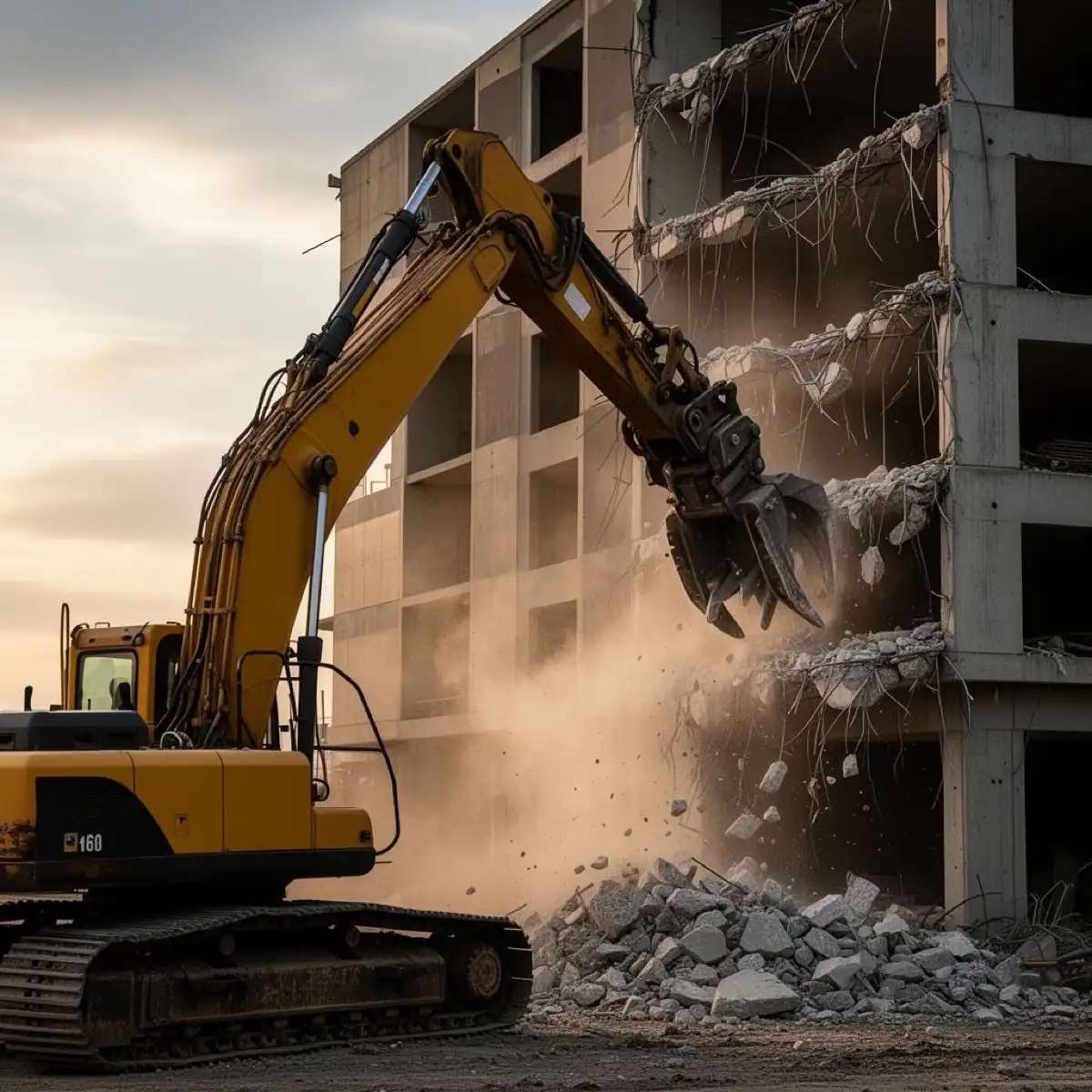
Demolition
6 min
Strip Mall and Retail Center Demolition in Florida
Older retail centers are coming down across Florida for redevelopment. Here is what drives the cost and schedule on a strip mall teardown.
Cost, timeline, and planning guidance for commercial and interior demolition projects.
Older retail centers are coming down across Florida for redevelopment. Here is what drives the cost and schedule on a strip mall teardown.
A gas station teardown is a tank closure, a canopy removal, and a building demolition rolled into one regulated project. Here is how it sequences.
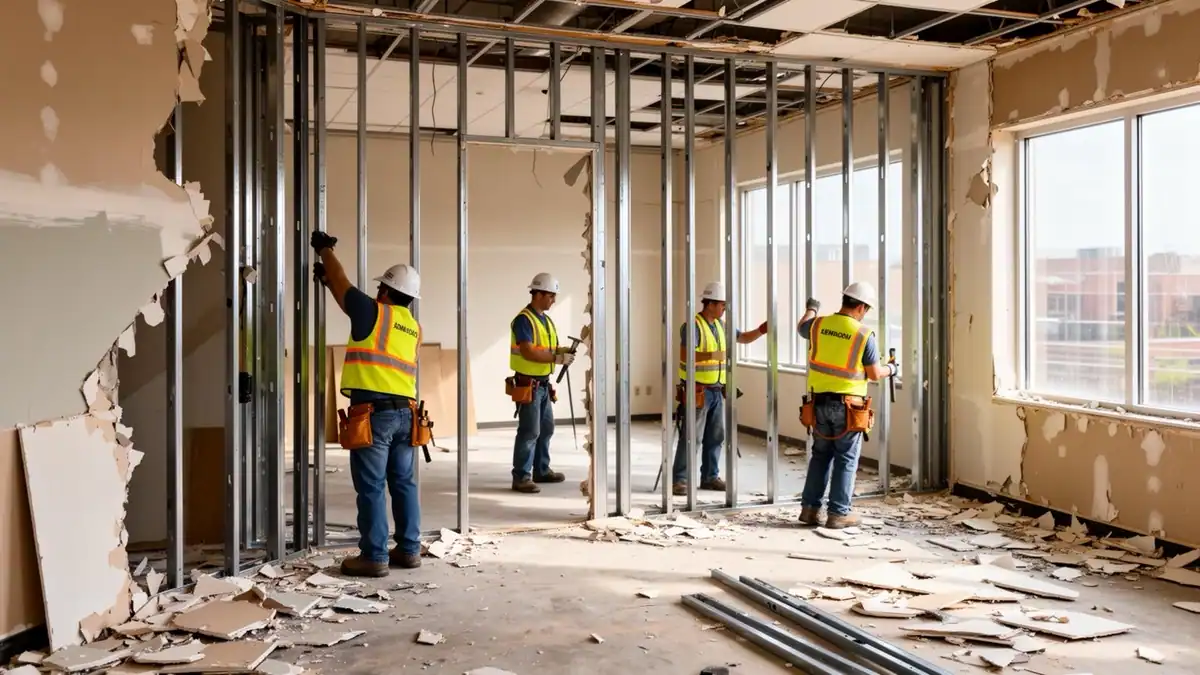
Florida's aging roadside motels and mid-century hotels are prime redevelopment sites. What drives cost and schedule when one comes down.
The haul-off is often the largest single line on a demolition quote. Here is how tonnage, material type, and distance turn into the number.
The information a good contractor volunteers, and the questions worth asking when they do not.
The permit itself is rarely the delay. It is the three documents that have to exist before the permit can be issued.
June through November changes how a Florida demolition is planned. What a storm forecast does to a live site and how to schedule around it.
Vibration, dust, noise and structural risk all change when there is an occupied building on the other side of the wall. What a proper adjacent-structure plan contains.
Electric, gas, water, sewer and telecom all have to be formally disconnected before demolition, and the utilities work to their own schedule. Start early.
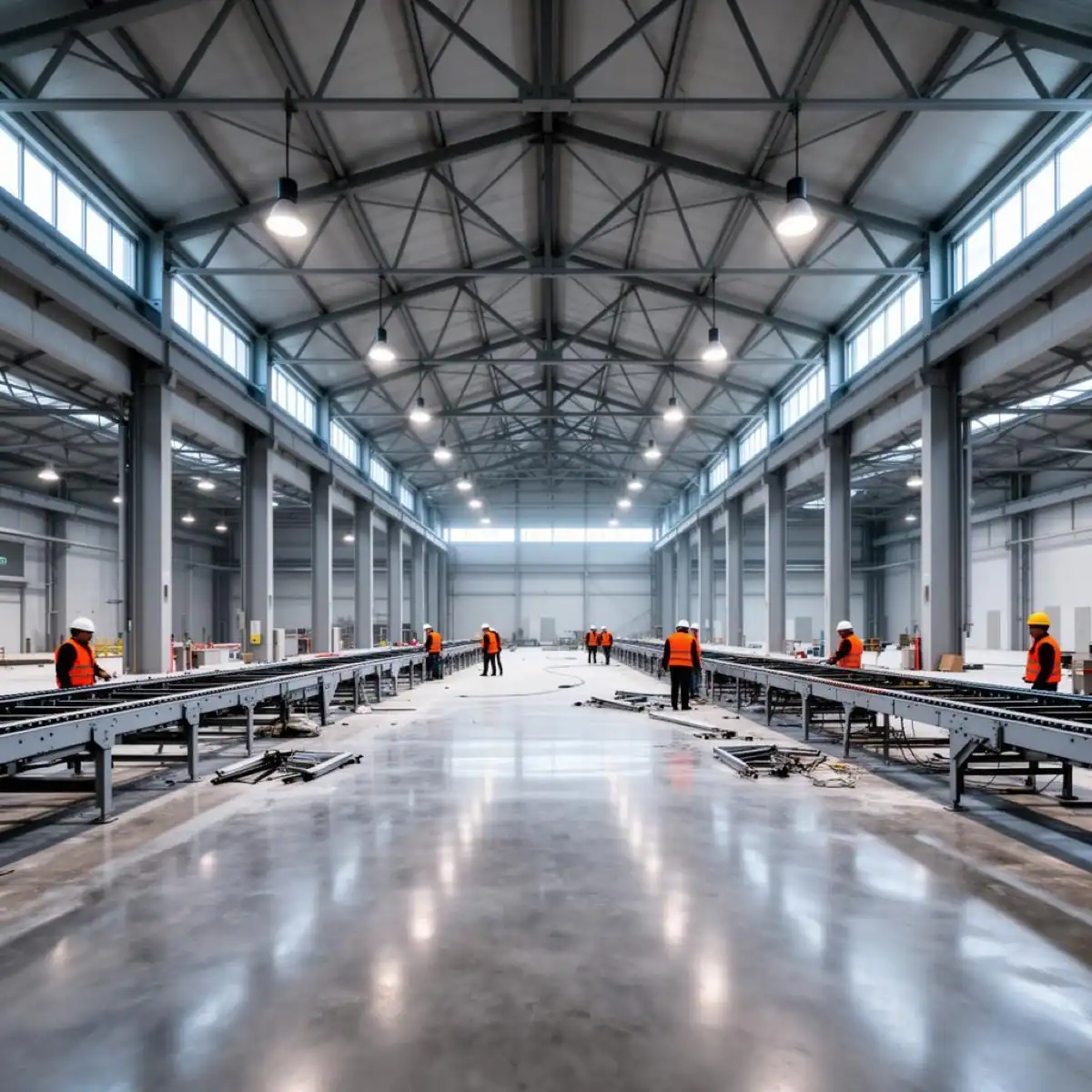
A buried tank is not a demolition item. It has its own regulatory closure process, and starting it late is what stalls redevelopment projects.
Older industrial steel was painted with lead-based coatings. That changes the demolition method, the worker protection, and the scrap value.
Foundations, slabs, pits and below-grade structures are a separate scope from the building above them, and the most common gap in a demolition contract.
Water is the default answer and it is only half of one. Here is what dust control actually requires on a commercial demolition site, and where it goes wrong.
Concrete, steel, non-ferrous metal and wood all have destinations better than a landfill. Achieving a high diversion rate is a sequencing decision.
Most demolition disputes trace to a scope that was too thin to answer the question in dispute. Here is what belongs in one.
The safety plan is the most honest document a demolition contractor produces. Here is how to tell a real one from a template.
On a large enough job, crushing clean concrete on site removes most of the trucking from the budget. Here is where the break-even sits.
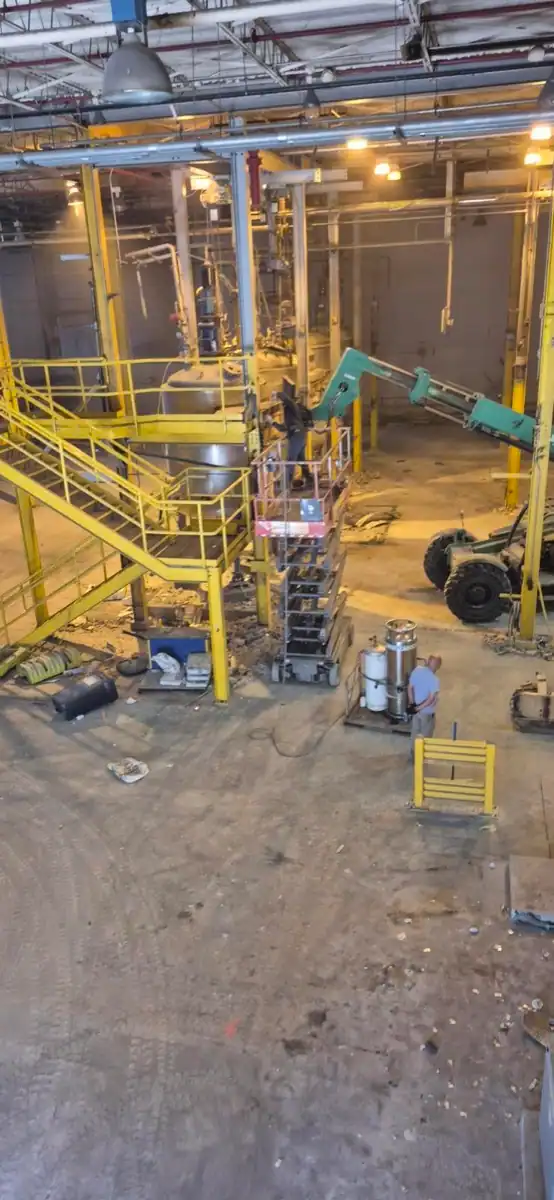
Rooftop units, exhaust fans, and condensers come off before the building does. How they are removed, what they are worth, and where the refrigerant goes.
Cutting into an occupied building to tie in an addition is a different kind of demolition. How the opening, the shoring, and the schedule are handled.
Pavement removal is priced by area, thickness, and what is underneath. How asphalt and concrete lots are taken out and what happens to the material.
Three demolition bids with three different totals are usually three different scopes. How to line them up so the comparison means something.
The week before mobilization is where owners save money or lose it. A practical checklist for handing a building over ready to come down.
Warehouse demolition is priced by square foot, structure type, and what has to be hauled. Here is how a Florida warehouse teardown actually gets quoted.
Every Florida demolition needs a permit, an asbestos survey, and utility disconnects signed off. Here is the sequence that keeps a project from getting red-tagged.
Slab removal is priced by tonnage, thickness, and reinforcement — not by square foot alone. Here is what drives the number and when you can leave the pad in place.
Most of a commercial demolition schedule is spent before a machine moves. Here is a realistic timeline from decision to graded site, phase by phase.
Selective demolition keeps the structure and removes what is inside. Full demolition takes everything. The choice drives permits, cost, and schedule.
No Florida commercial demolition permit moves without an asbestos survey. Here is what gets sampled, what abatement adds, and how to keep it off the critical path.
Metal buildings are the cheapest structures to demolish and the only ones where scrap value regularly offsets a real share of the bill. Here is the math.
Tanks and silos are cleaning jobs before they are demolition jobs. Residue, confined space, and vapor control drive the price more than the steel or concrete does.
The cheapest demolition bid is often the one with the thinnest coverage. Here are the specific certificates, limits, and endorsements worth checking first.
Jacksonville's port, rail, and manufacturing stock generates steady industrial teardown work. Here is what drives cost and schedule in Duval County.
The Sarasota–Bradenton corridor mixes Port Manatee industry with fast redevelopment. Here is how teardown and equipment recovery work on the Suncoast.
Ocala's distribution boom is replacing older industrial and agricultural buildings. Here is how those teardowns get scoped, permitted, and offset by equipment value.
Pinellas is built out, which makes demolition here a redevelopment business. Here is what drives cost on a tight peninsula with aging industrial stock.
Real commercial demolition cost ranges for Florida — interior strip-out per square foot, full-building projects, permits, and the salvage credit that lowers the bill.
Straight demolition clears the site. Equipment salvage can pay you. Here's how the two compare on real numbers — and why doing them together beats either alone.
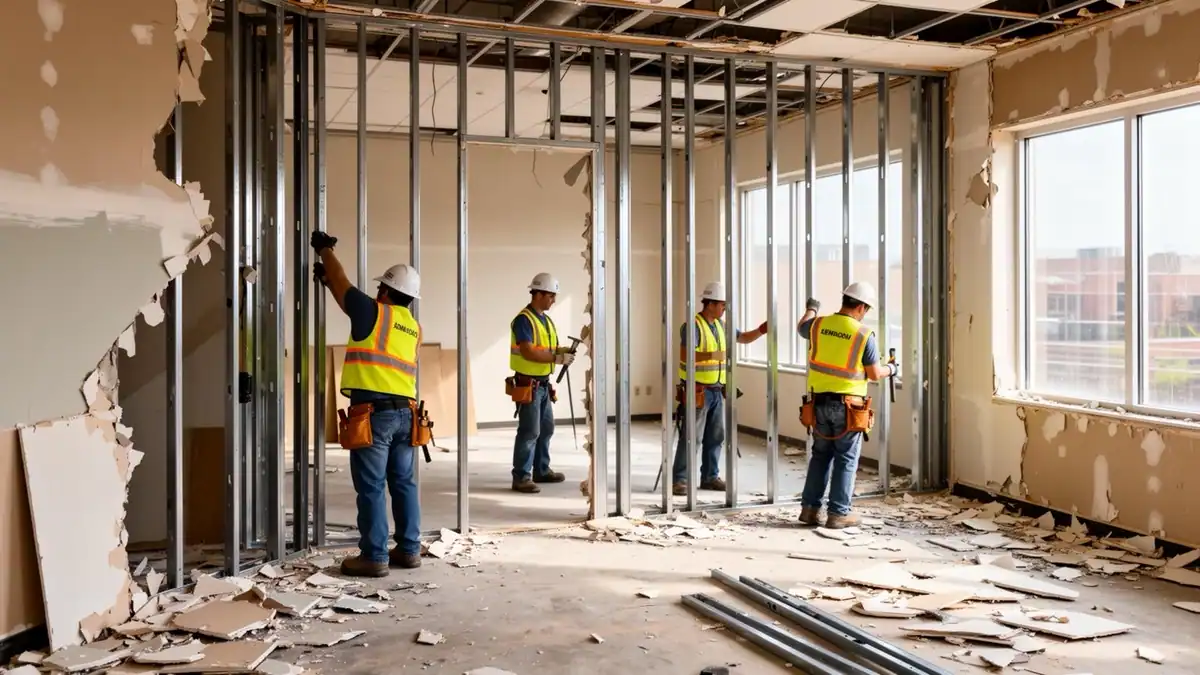
Interior demo runs $2-$7 per sq ft for most commercial work and $3-$8 per sq ft for residential gut-outs. Here's what moves the number up and down.
Call now or request a quote. Nationwide response. Industrial-scale capability.